Leave A Message
Leave A Message
If you are interested in our products and want to know more details,please leave a message here,we will reply you as soon as we can.

submit
Solar Panel

Solar Panel

Home Solar Panel

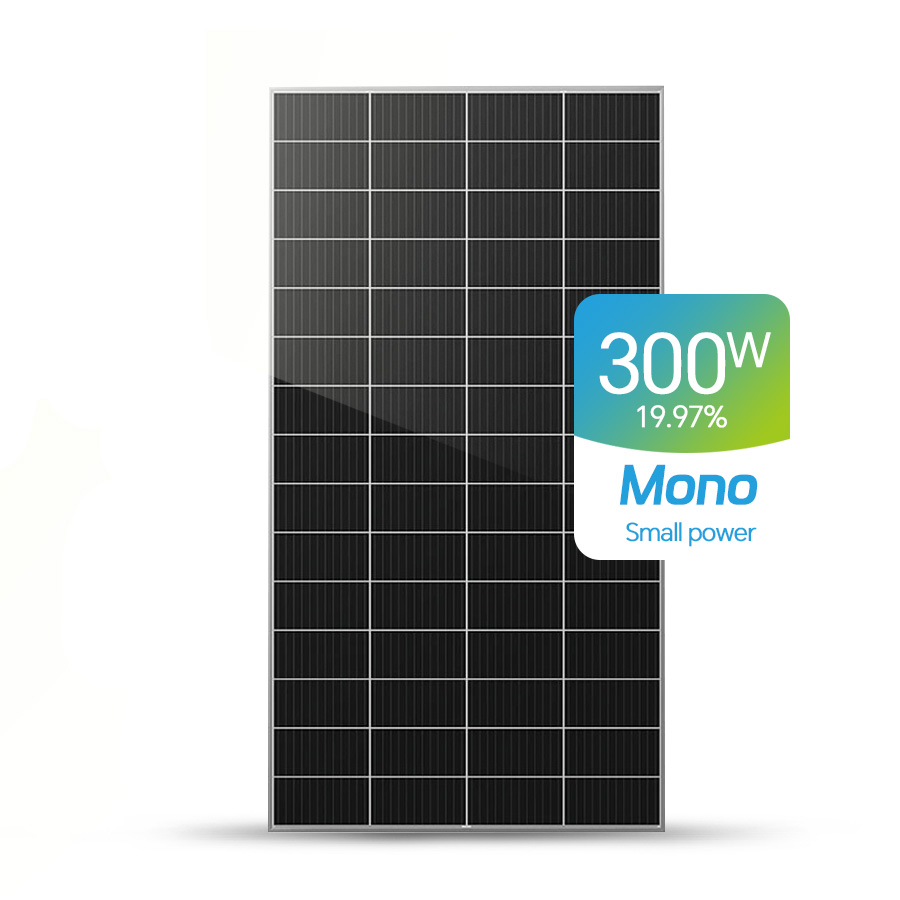
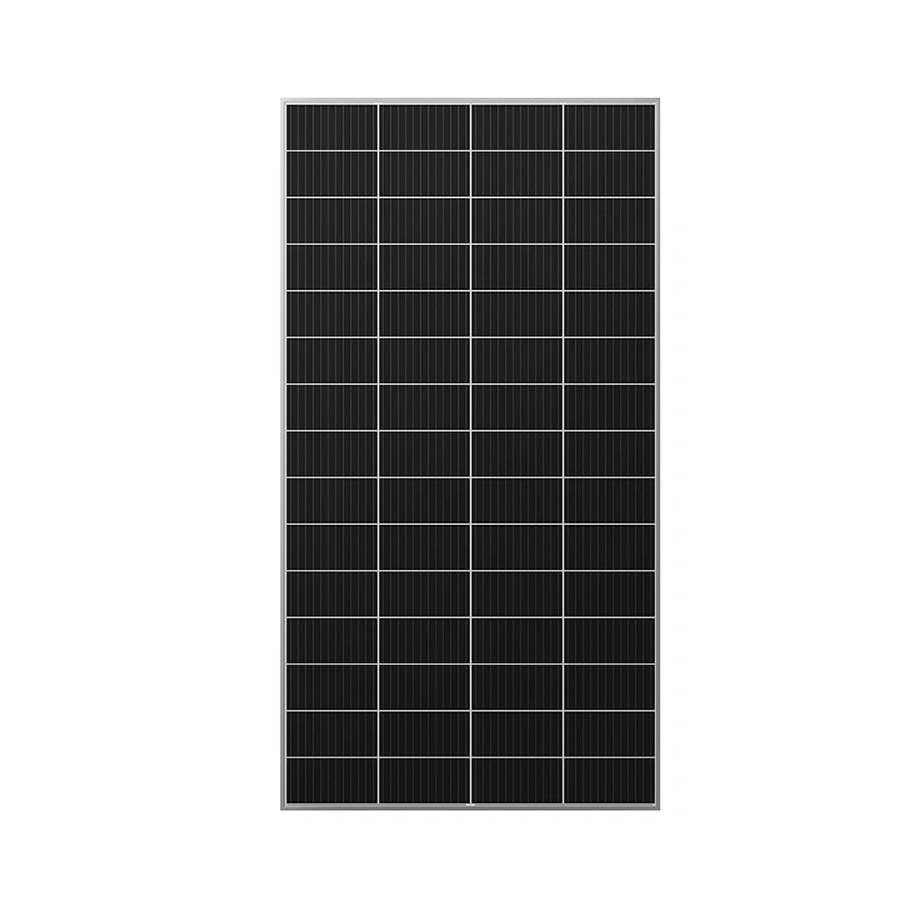
290W 300W 310W Customized Available Mono Solar Panels

290W 300W 310W Customized Available Mono Solar Panels

290W 300W 310W Customized Available Mono Solar Panels

Advanced Monocrystalline Solar Panels 290W–310W with Custom Options for Better Efficiency, Weather Resistance and Stable Power Generation

  • Item No :

    FG-300W
  • Power :

    290W-310W
  • Dimension :

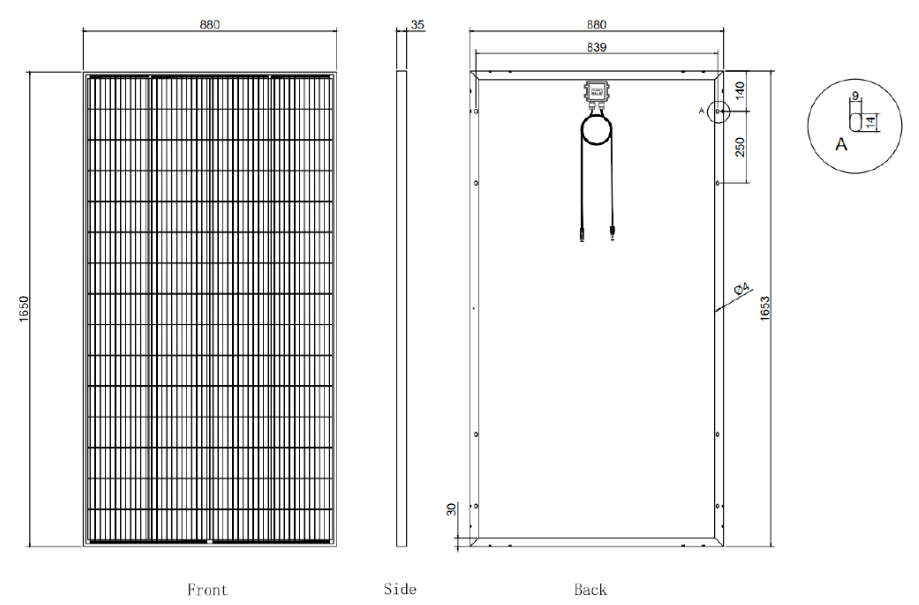
    1650×880×35 mm
  • Min Order :

    100PCS
  • Efficiency(%) :

    21.35%
  • Weight :

    15.44 kg
  • Cells Number :

    60
Inquiry Now

FGET 60cells Solar Panel 290W 300W 310W Photovoltaic Panel

290W 300W 310W

CORE PERFORMANCE FEATURES

01

Higher Efficiency N-Type Cells

Equipped with 60 (4x15) Monocrystalline Half-Cut N-Type Cells measuring 210x105 mm, delivering reliable efficiency up to 21.35% for consistent energy yield.

02

Customizable All-Black Design

Features a nice premium appearance that blends seamlessly into residential rooftops, significantly reducing light pollution and reflection.

03

Robust & Certified Reliability

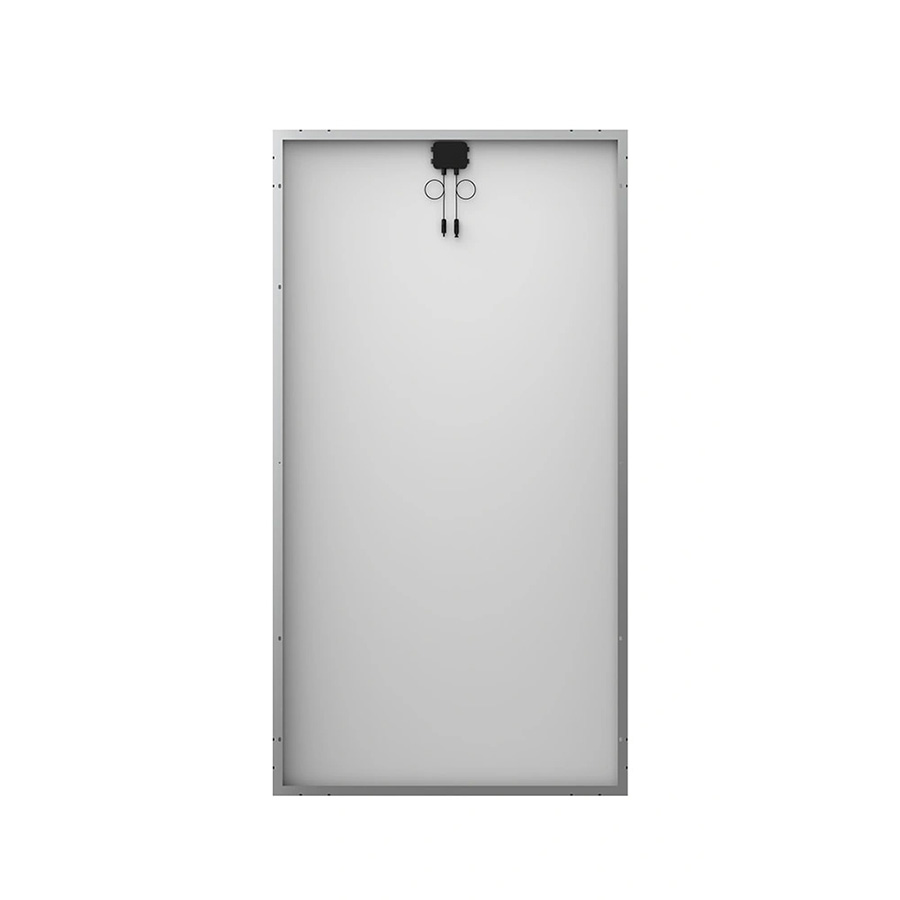
High transmission low iron tempered ARC transparent glass. The junction box is IEC 62790 certified and IP67 approved with 3 bypass diodes for proven safety.

PRODUCT SPECIFICATIONS

04

Glass & Frame

Front / Back Glass : 2.0 mm coated tempered glass
Frame: Anodized Aluminium Alloy

05

Cables & Connectors

Output Cables: 4.0mm², 250mm (+) / 350mm (-), Length Can Be Customized.
Connectors: Mc4 Compatible

IDEAL APPLICATIONS

The compact 290W-310W series offers excellent flexibility, providing optimal ROI for various smaller-scale and off-grid solar projects:

Compact Residential Rooftops
Off-Grid Cabins & RVs
Telecommunication Towers
Solar Carports

MECHANICAL DATA

Dimensions (L×W×T) 1650 x 880 x 30 mm
Cell Type Monocrystalline (Mono)
Number of Cells 60 (4x15)
Junction Box IP67 Rated (3 bypass diodes)
Output Cables 4.0mm², 250mm (+) / 350mm (-)
Front/Back Glass 2.0 mm coated tempered glass
Connectors MC4 Compatible
Frame Material Anodized Aluminium Alloy
Mechanical Load Test 5400Pa

ELECTRICAL PARAMETERS

STC: Irradiance 1000W/m², cell temperature 25°C, AM1.5G

PARAMETER FG290M-60 FG300M-60 FG310M-60
Standard Test Conditions STC STC STC
Peak Power (Pmax) 290W 300W 310W
Maximum Power Voltage (Vmp) 33.40V 33.93V 34.51V
Maximum Power Current (Imp) 8.69A 8.85A 8.72A
Open Circuit Voltage (Voc) 39.58V 39.87V 41.61V
Short Circuit Current (Isc) 9.20A 9.36A 9.19A
MODULE EFFICIENCY (%) 19.97% 20.66% 21.35%

PACKAGING INFORMATION

01

International Standard Pallet Compatibility

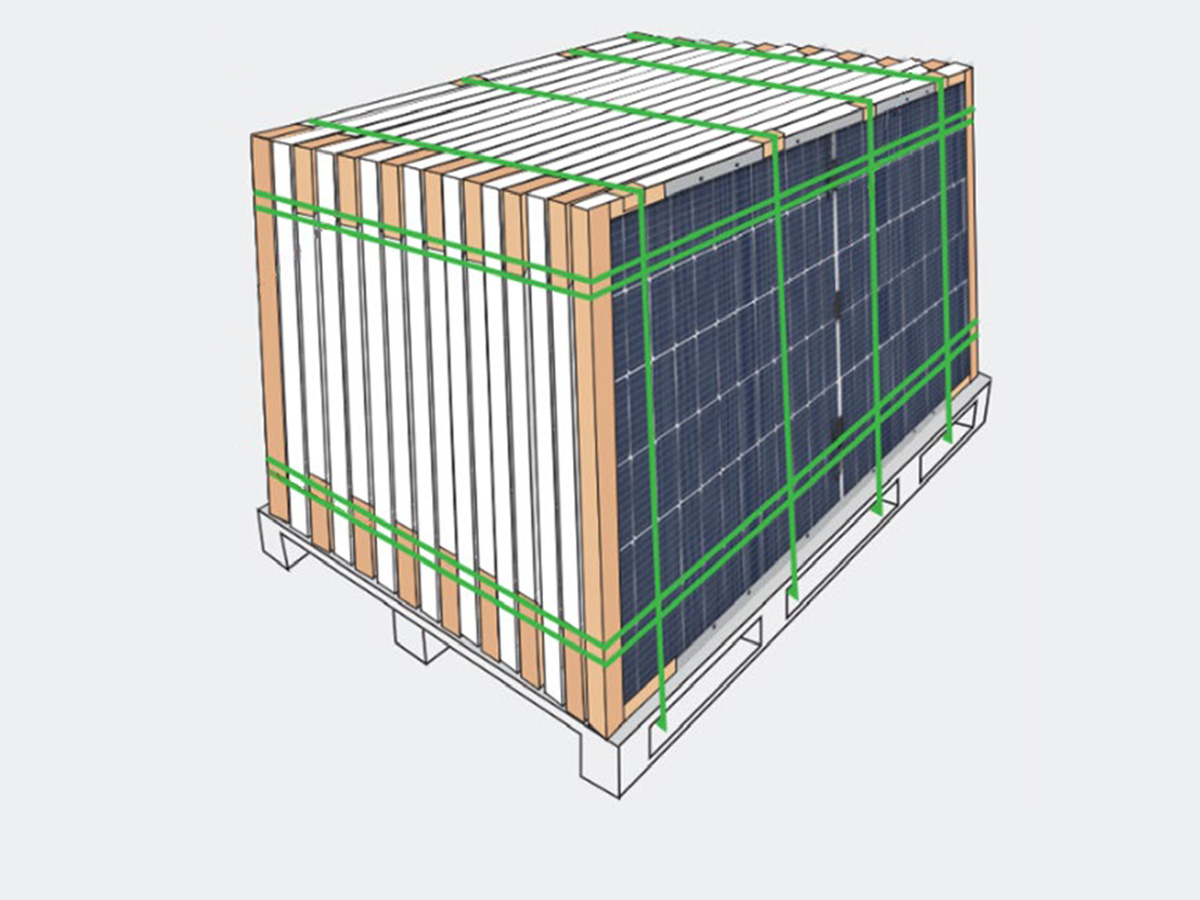
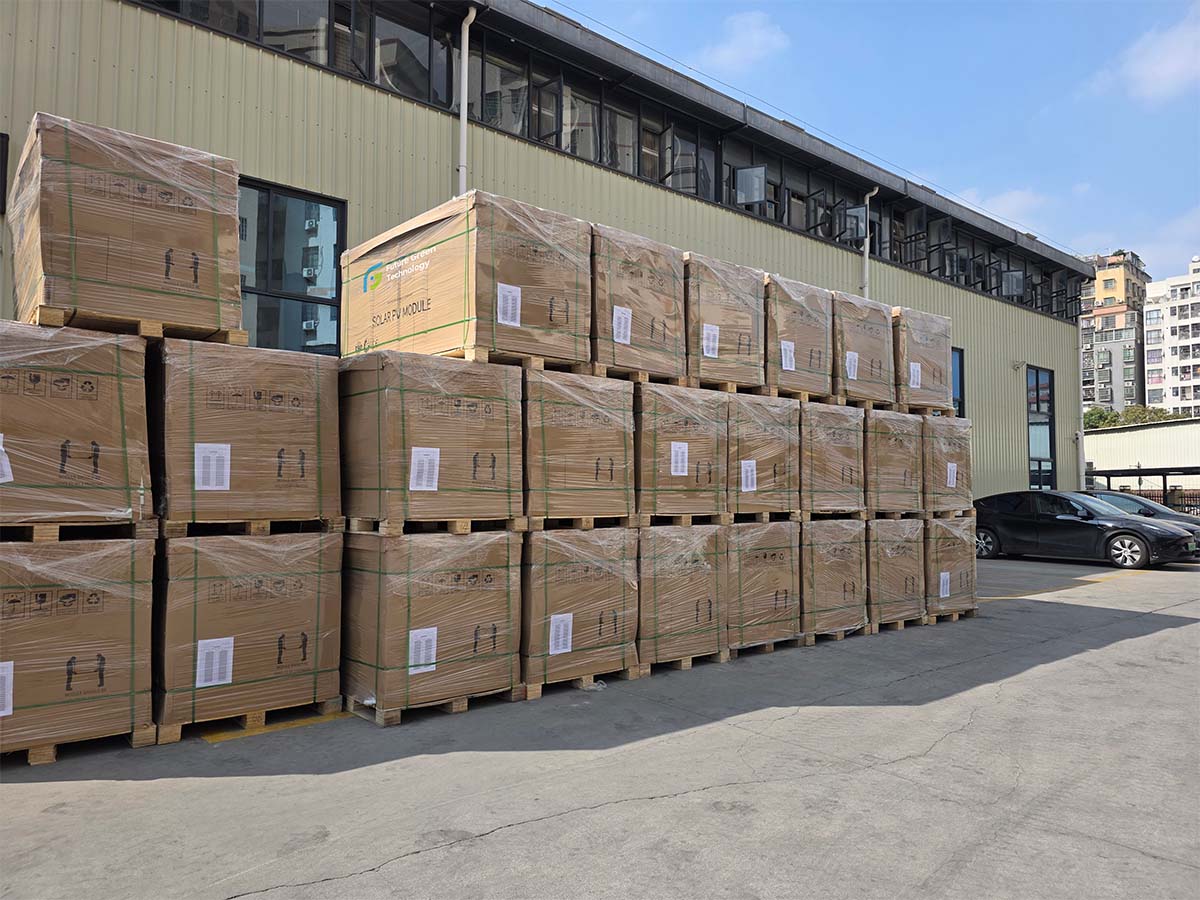
Compatible with international standard logistics pallets, can be directly placed on shelves or loaded into containers without secondary palletizing.

02

Customized Professional Packaging Service

Provide customized industrial packaging solutions according to different scenario requirements.

03

Professional Transportation Protection

All packaging solutions have passed professional tests including mechanical load, transportation vibration and temperature-humidity cycle, complying with international transportation protection standards for photovoltaic products. Ensure products maintain factory quality from production to project site and reduce on-site acceptance loss rate.

Packaging Image 1 Packaging Image 2

FAQ

Q1: Can I use these panels for a grid-tied system to lower my electric bill through net metering?
A1:
Absolutely. A 2kW to 3kW system (7-10 panels of 300W) is a common starter size for homes. This typically generates 250-450 kWh per month depending on your location. You'll need a grid-tied inverter (string inverter or microinverters) and approval from your utility. We can provide all necessary technical documents (IEC certificates, datasheets, mechanical drawings) for permit applications. We do not handle utility paperwork.
Q2: How well do these 290W-310W panels perform during early morning, late evening, or heavy overcast days?
A2:
Very well for mono-crystalline. Our panels use high-sensitivity cells with low series resistance, giving you useful power from as little as 50W/m² irradiance. On a heavily overcast day, expect 10-15% of rated power (30-45W). At sunrise/sunset (low angle, indirect light), about 5-10%. This is significantly better than polycrystalline panels, which typically start producing only above 100W/m².
Q3: I've heard that all mono panels lose some power in the first few hours of sun. What's your LID guarantee?
A3:
Correct – LID (Light Induced Degradation) affects all mono PERC cells. We use pre-conditioned cells (pre-exposed during manufacturing) to stabilize them. Our guaranteed LID is ≤1.5% within the first 50 kWh of exposure (typically 2-5 days). Many competitors offer 2-3% LID. This is separate from annual degradation. We provide individual panel LID test data for commercial orders.
Q4:Are these panels compatible with microinverters (e.g., Enphase) and power optimizers (e.g., SolarEdge)?
A4:
Yes – fully compatible. The electrical parameters (Vmp ~32-33V, Imp ~9-9.5A) are within the standard range for all major microinverter and optimizer brands. For SolarEdge, we can even pre-install the optimizer bracket on the panel frame (custom hole pattern). For Enphase, the 60-cell format (vs. 72-cell) is ideal. Just provide the optimizer/microinverter model, and we'll confirm compatibility.
Q5: If leaves or bird droppings shade part of a panel, could that cause a hot spot and burn out the panel?
A5:
Yes, it can – but our protection is robust. Each panel's junction box contains 3 bypass diodes (dividing the panel into 3 cell strings). When shading occurs, the bypass diode routes around the shaded string, allowing the other strings to continue producing power. This effectively prevents hot spots. Additionally, our cells are hot spot endurance tested (IEC 61215 annex) and can withstand temperatures up to 200°C (392°F). Regular cleaning minimizes shading in the first place.
Q6: I want to charge a 24V or 48V battery bank. How many of these panels should I connect in series?
A6:
For a 24V battery: Connect 2 panels in series (Vmp ~64-66V) – perfectly matched with an MPPT controller. For a 48V battery: Connect 4 panels in series (Vmp ~128-132V). Important note: In cold weather, the open-circuit voltage (Voc, ~38V per panel) increases. For a 48V system, 4 panels in series have Voc ≈ 38V × 4 = 152V. Ensure your MPPT controller's maximum input voltage exceeds this (e.g., use a 150V or 200V controller with a safety margin). We can help calculate the actual voltage for your local temperature conditions.
Leave A Message
If you are interested in our products and want to know more details,please leave a message here,we will reply you as soon as we can.

Related Products

Leave A Message

Leave A Message
If you are interested in our products and want to know more details,please leave a message here,we will reply you as soon as we can.
submit
Contact Us :harper@futuregreenbattery.com

Home

products

WhatsApp

contact