Leave A Message
If you are interested in our products and want to know more details,please leave a message here,we will reply you as soon as we can.


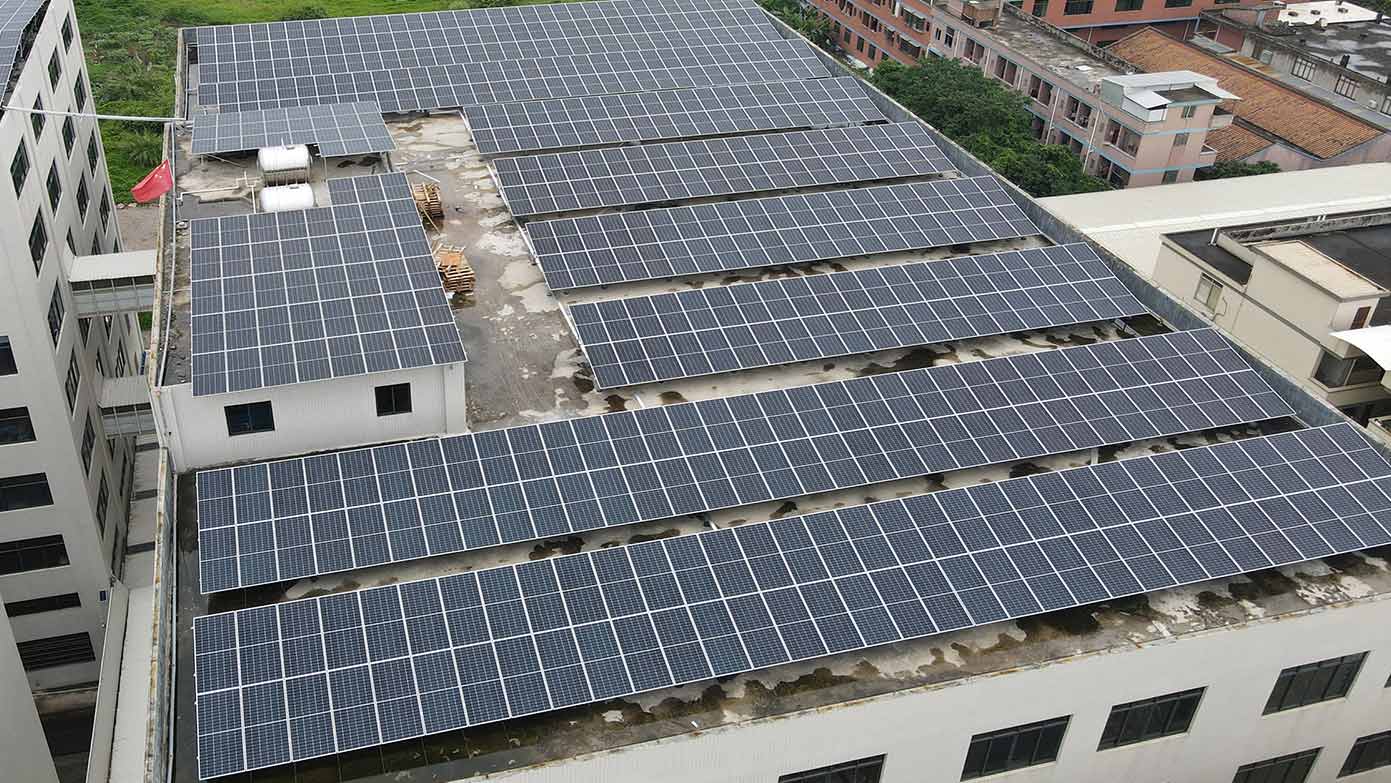
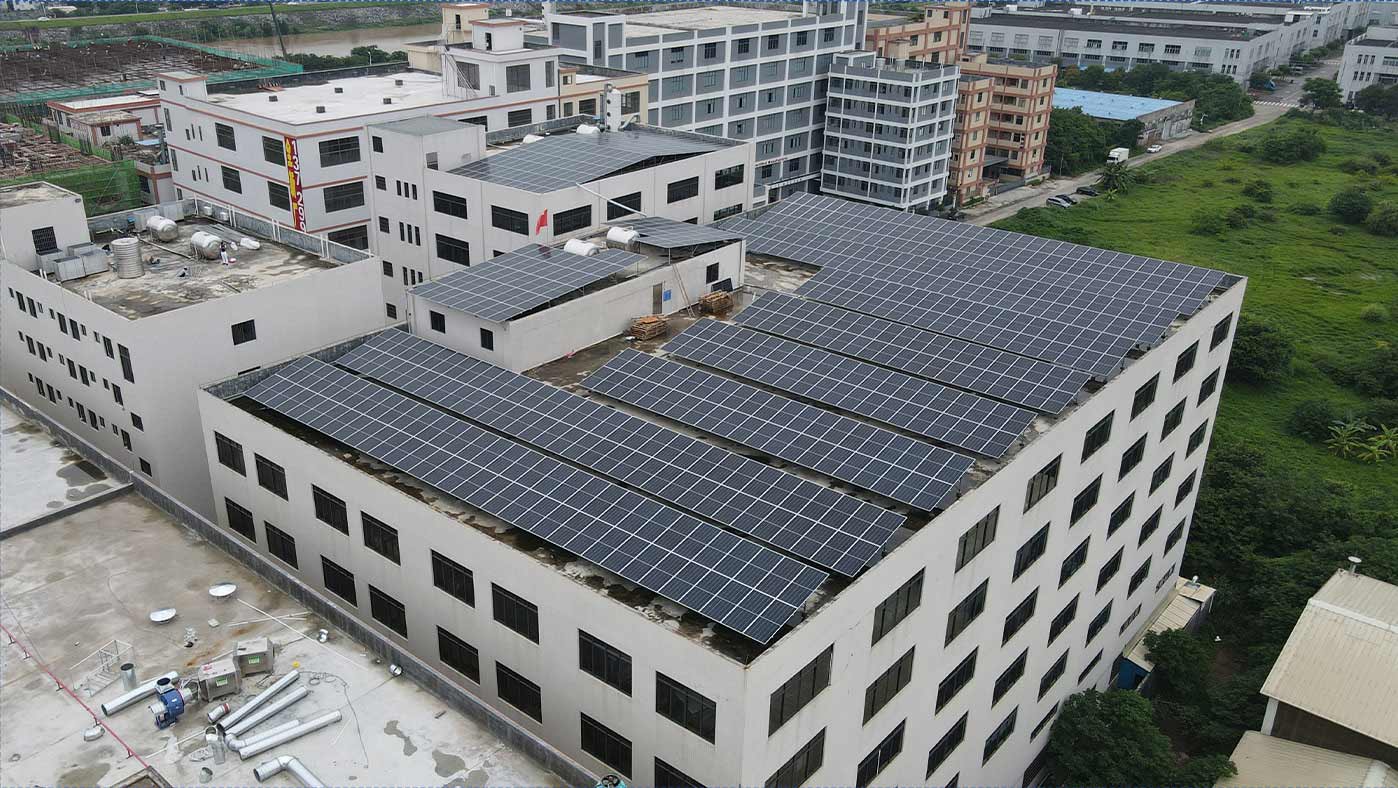
The Foshan Yang'en 300kW Ground-Mounted Solar Project is situated locally in Foshan. It is a small-to-medium-scale ground-mounted photovoltaic (PV) power station project designed to meet industrial electricity demands while balancing high-efficiency power generation with optimal site adaptability. The project features a planned installed capacity of 300kW and utilizes a fixed-tilt ground-mounted PV racking system. The core requirements include ensuring the structural safety and stability of the racking system, optimizing array layout for efficiency and rationality, and adapting the design to local climatic and geological conditions—all while controlling construction costs and timelines to guarantee 25 years of stable operation for the power station.
To ensure the proposed solution aligns with actual site conditions and to mitigate potential risks, our company dispatched a specialized team—comprising senior PV structural engineers and geological survey engineers—to the Foshan Yang'en project site. This team conducted a comprehensive, multi-dimensional on-site survey, meticulously managing every detail in strict accordance with professional standards:
Utilizing high-precision RTK surveying equipment, the team performed a precise 1:500 scale topographical survey of the project plot. They measured the exact site area, slope gradients, and elevation differences; mapped boundary lines and the distribution of surrounding obstacles (such as trees, buildings, and utility lines); and clearly identified the site's flatness and usable areas. This process provided the precise topographical data necessary to support the optimal design of the PV array layout.
Through borehole sampling and soil bearing capacity tests, the team analyzed the site's soil type (silty clay/sandy soil), foundation bearing capacity, groundwater levels, and soil corrosivity. They identified and assessed potential adverse geological conditions—such as soft soil foundations or backfilled ground—to accurately determine the appropriate foundation type (e.g., helical piles or concrete cast-in-place piles) and required embedment depths, thereby eliminating the risk of future foundation settlement or tilting.
The team focused on verifying key data for the Foshan region, including average annual sunshine duration, solar irradiance levels, extreme wind speeds (specifically under typhoon conditions), precipitation patterns, and temperature fluctuations. By integrating this data with local requirements for wind resistance (designed to withstand Category 17 typhoons) and corrosion protection (essential for the region's rainy and humid climate), they precisely defined the specifications for racking materials, wind-resistance ratings, and anti-corrosion standards, ensuring the racking system is fully adapted to the local climate and capable of delivering long-term durability.
We engaged in face-to-face discussions with the project lead at Yang'en to verify electrical load requirements, grid connection specifications, and site utilization plans (such as reserving maintenance corridors and ensuring compatibility with future capacity expansion). Concurrently, we coordinated conditions for construction site access, material staging areas, and utility connection points (power and water). This proactive approach allowed us to identify and mitigate potential construction obstacles in advance, ensuring that our proposed solution precisely aligns with the client's core objectives.
Based on primary data gathered during the on-site survey, our engineering team—guided by the Code for Design of Photovoltaic Power Stations (GB 50797-2012) and tailored to the specific requirement for a 300 kW installed capacity—executed a comprehensive, end-to-end process of detailed drawing planning and solution design. This process yielded a complete set of professional design drawings, with the key design deliverables outlined below:
By analyzing the site's topography and solar angles, we adopted a north-south oriented array layout. We determined the optimal module tilt angle (calibrated for Foshan's latitude to balance high solar irradiance in winter with effective heat dissipation in summer) and array spacing (calculated to ensure zero shading between arrays during the peak solar hours of 9:00 AM to 3:00 PM on the winter solstice). This strategy maximizes the utilization of available site area and enhances overall power generation efficiency.
The plan delineates the 300 kW PV array into distinct zones, designating areas for string grouping, inverter installation, maintenance corridors (with a minimum width of 1.2 meters), and cable routing paths. The layout features a neat, organized arrangement with clearly defined zones, balancing the requirements for convenient construction with ease of future operation and maintenance.
Material Selection: We selected high-grade, hot-dip galvanized carbon steel mounting structures (with zinc-aluminum-magnesium alloy options available). These materials offer high structural strength, superior corrosion resistance, and strong self-healing capabilities, making them ideally suited for Foshan's humid and rainy climate. The structures are designed for a service life of 25 years or more.
Structural Design: We employed a modular, fixed-tilt mounting system comprising upright posts, diagonal beams, purlins, and diagonal braces. The components are joined exclusively via bolted connections (eliminating the need for welding), ensuring ease of installation and uniform load distribution. To address the region's frequent typhoon activity, we significantly reinforced the wind-resistance design of the mounting structures; the design is rated to withstand wind forces up to Grade 17. Rigorous structural mechanics simulations and verification analyses were conducted to guarantee the structural integrity and stability of the system, even under extreme weather conditions.
Foundation Design: Based on the results of the geological survey, the foundation scheme was optimized. For areas with soft soil, helical pile foundations were adopted (offering rapid construction, no earthworks excavation, and environmental friendliness); for areas with hard soil, cast-in-place concrete pile foundations were utilized. Precise calculations were performed to determine foundation embedment depths and pile spacing, thereby ensuring the overall structural stability of the mounting system.
Tailored to a 300kW installed capacity, the design includes a planned layout for string inverters, as well as schemes for PV module string connections, DC cable routing, and AC cable grid interconnection paths. Cables are installed via underground conduit burial to protect them from UV exposure and external physical damage, ensuring full compliance with electrical safety regulations.
The design explicitly details the grounding system (ensuring reliable grounding for mounting structures, inverters, and enclosures) and the layout of lightning protection devices, thereby mitigating risks associated with lightning strikes and electrical leakage to guarantee the safe and stable electrical operation of the power station.
Detailed drawings were produced for key construction milestones—including mounting structure installation, foundation construction, module fastening, and cable connections. These drawings specify installation dimensions, bolt specifications, and requirements for welding and connection processes. By clearly defining the construction sequence and quality acceptance criteria, they provide the on-site team with precise, actionable technical guidance, thereby minimizing construction errors and ensuring high-quality execution.
For this 300kW ground-mounted solar project in Foshan (Yangen), our team of professional engineers spearheaded the entire process—from initial site surveys to detailed design drawings. Guided by the core philosophy that "data drives design, and attention to detail ensures quality," this project serves as a prime example of our expertise in both the design and practical implementation of PV mounting systems:
We precisely assessed four critical factors—topography, geology, climate conditions, and specific project requirements—to proactively mitigate potential design and construction risks at the source, thereby ensuring the final solution was perfectly tailored to the project's actual context.
Leveraging first-hand data and industry standards, we executed a comprehensive, multi-dimensional design encompassing layout, structural engineering, electrical systems, and construction planning—balancing the imperatives of safety, efficiency, economic viability, and long-term maintainability.
The solution features a high degree of practical feasibility; the modular design of the mounting structures significantly shortens the construction cycle, while the wind-resistant and anti-corrosive design is specifically adapted to the local environment. This ensures the power station delivers stable, high-efficiency power generation for 25 years, helping our client achieve their goals for energy conservation, cost reduction, and the adoption of green energy.
Currently, the complete set of construction drawings has been delivered to the client and has received high acclaim; subsequent construction work on the project is proceeding in an orderly manner. Our company will continue to leverage our professional expertise and rigorous approach to provide comprehensive, end-to-end services—spanning site surveys, design, construction guidance, and operations and maintenance—for a wide range of PV mounting system projects, thereby facilitating the efficient realization and stable operation of an increasing number of solar energy initiatives.
 Call Center
Tel : +8618718914921
Whatsapp : +8618718914921
 Email
Email Our Location
No.26 Longjing West Road, Baiyun District, Guangzhou City, Guangdong Province, China.


-1778572494FzLOxEoVTv.png)

.png)

Leave A Message
Scan to WhatsApp :